
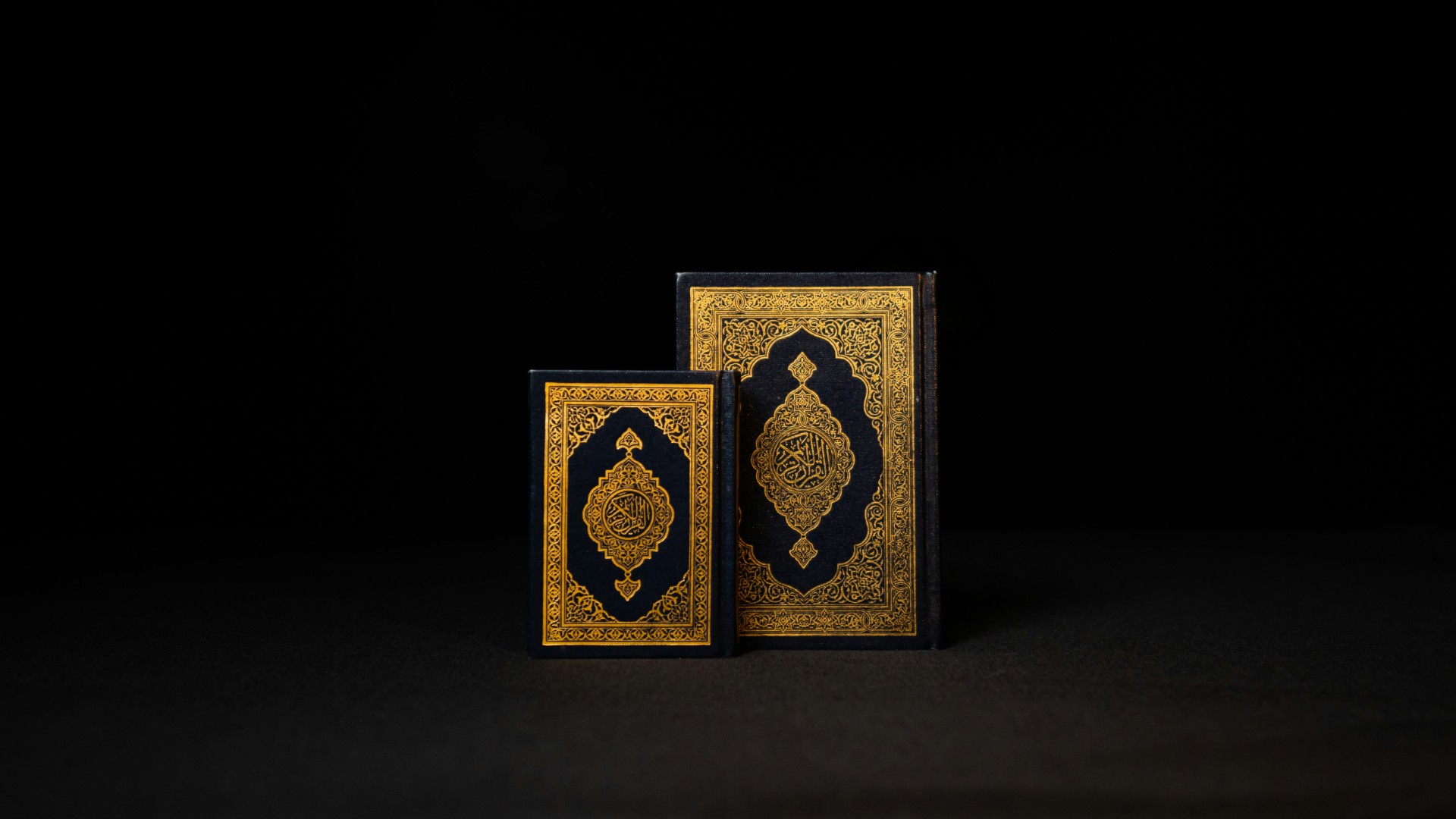
A Night in a New City: What I Learned About Belonging From My Family, My Kettle, and Two Small Rituals
A Muslim mother abroad learns how small routines can make a foreign city feel like home for children and elders alike.
The kettle that did not stop
The first month in our new city, I could not name the city sounds at night. Buses, sirens, footsteps, laughter, and one loud train line. It felt like every sound had a life I did not understand. My son came home tired and quiet. My daughter asked, "Mama, why is everyone speaking faster than this house does?" I did not have a good answer.
I kept checking two clocks. One was school timing, one was our old home timing. Nothing matched. I thought belonging was a bigger concept: jobs, accents, and perfect integration. Then I noticed the kettle was on every morning and every evening, always overfull. That sound became a warning and a reminder. We were running the old rhythm in a new place, and everyone was tired.
Belonging did not arrive as a big speech. It came as a predictable pattern.
One fridge, one tiny plan
I wrote our home plan on the fridge with magnets. At first it looked like a school project. We had three sections: prayer, meals, and screens. Under "prayer" we wrote simple tasks like "clean place," "dua for peace," and "one kindness step." Under "meals," we set one family tea time, one small walk, and one check-in phrase. Under "screens," we agreed that everyone could use one clear window and one clear pause.
My children laughed at first. Then they got curious. My daughter asked to add "kettle stop" before reading. My son added "no arguing before water bottle" as a joke, but it stayed. The room became less chaotic in a way I could finally see. We still had pressure, but we had a pattern to hold.
- A shared language for stress, like saying "pause" instead of yelling.
- A simple home rhythm that did not depend on anyone's mood.
- A small role for each child, including the youngest one.
- A gentle reminder that tradition can adapt, not disappear.
The neighbor story that changed us
One Friday, I invited our neighbors over for tea. They are not Muslim, but they had always nodded with warmth when we crossed paths. My daughter asked them a simple question: "Do you also drink tea before your busy nights?" They laughed and said yes. The room changed. Our children could ask questions without feeling judged, and we could explain why we pray and why we keep some quiet moments.
Now I understand something I wish I had known sooner. A Muslim family abroad does not lose identity by making space for neighbors. We gain strength by living faithfully in front of them, in ordinary detail. The difference is not hidden identity. It is a visible kindness that makes your faith readable in daily action.
We were not trying to become local. We were learning how to be clearly us, consistently.
What changed after three months
After three months, we still had difficult evenings and missed grandparents. But the house had better recovery. When the tension rose, we still had the kettle signal and the fridge plan. My son now asks for a five minute pause before he storms into his room. My daughter teaches our younger cousin the same system when they visit. We still miss home, but we also made home possible here.
If you are new to a country and feel the familiar tug of loneliness, do not wait for perfect stability. Start one small ritual that fits your family voice and keep it even on difficult days. Family belongs in moments. You build it every day by what you repeat.
The next chapter was not about fitting in
What changed after our first month was not mastery. It was naming what matters when things are messy. We started saying, 'This is home in progress,' instead of 'We are not home yet.' In that difference, shame reduced. The children became more curious. They asked questions about our traditions and also taught me practical ways to explain them to friends in the city.
Once our home rhythm stabilized, my daughter asked to invite her classmates for a small tea night. We gave each of them a role. One set plates, one set music, one offered dua translation for a phrase we said. They saw us as a family, not a cultural project. They remembered us as humans first. That has mattered most.
If you are living abroad, your children may carry the cultural bridge for themselves. Give them practical tools: what to answer when asked about faith, how to switch between school language and home language, and how to ask for a pause when a conversation is too fast. When children have these tools, they feel less alone. They feel more like adults in training.
My daughter now leads the Friday tea setup. She chooses the cups, reminds us of the timing, and checks whether the kettle is really hot. That tiny leadership has done more than any parent lecture. She says she feels less like a guest in a temporary life, and more like a keeper of our home rhythm.
My son asked once, 'How do we make people understand us without explaining everything at once?' That question changed me. I told him to start with the question of the day at the table, then invite one follow-up from everyone. He tried it at school, and he returned with a proud grin. Belonging began to feel normal.
If your family is in transition, keep building routines that are visible, repeatable, and tied to meaning. This is not compromise. This is care. It helps children and parents carry faith with tenderness in a place that may not always mirror you back.




Related Articles in Stories
The iSaleey Guide to Useful, Human Online Reading
I Remember the dish that made the new family stay longer
The Empty Playground, the Broken Phone, and the Start of a New Trust