
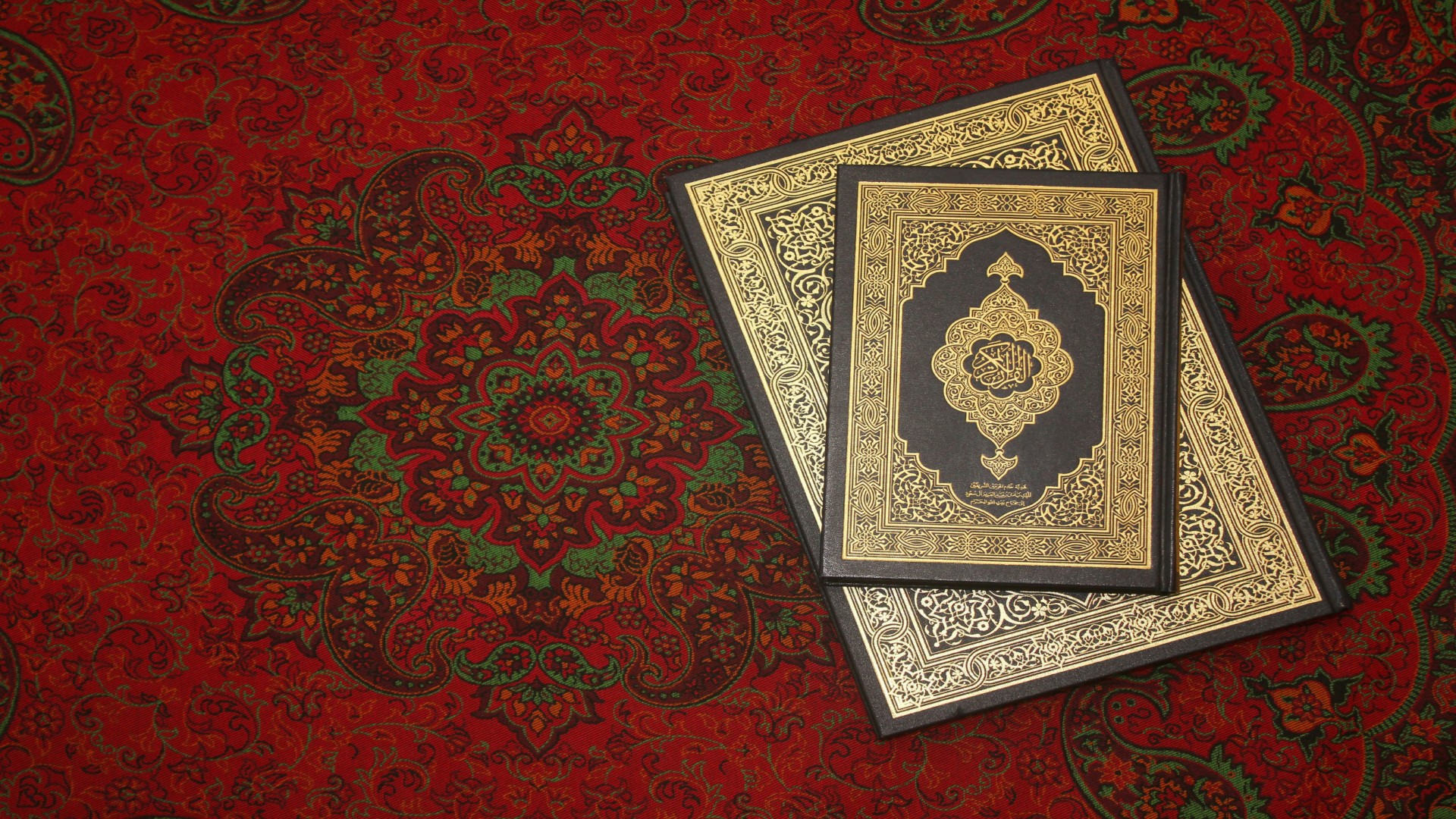
The Sunday Bread Line That Became Our Family Classroom
One small errand at the corner bakery turned our family into a walking class on language, patience, and neighborhood belonging.
At 8:20 on a damp Sunday, my youngest stood by the front door, backpack still on, and asked, "Can we go get bread?" We had meant to rest that morning, which in our apartment usually means sorting the school notices, folding laundry, and answering one email from work while pretending no one sees the pile of shoes by the couch. My older daughter was already in a hoodie, pretending not to care, but she had already packed her notebook. The kids already had their own plan before we had even agreed to go anywhere.
On Saturdays and Sundays, our floor gets loud and quiet at the same time. Loud with children, dishwashers, and hallway footsteps. Quiet in the way everyone wants one more hour of not being interrupted. When we stepped out that morning, we were really escaping chores, not planning a community activity. The first surprise waited in line at the corner bakery. A woman with flour on her sleeves was smiling at everyone as if she had known us for years, even though we had only nodded at her before. My daughter muttered, "She knows all our names now." I laughed because she was right and because the joke hurt in a good way.
The line taught us more than the loaf did
By the time the store doors opened, I had already learned three things. The man behind me was from Turkey and wanted to know if my sister was teaching Arabic now that our younger child had started asking difficult questions. Someone two spots ahead had picked up half a dozen loaves for their night shift schedule and offered a useful tip about when the line gets shortest. The person at the counter moved quickly but still asked each child how their day was. No one was collecting points. No one was posting a status update. This was not an event. It was a place where people had already agreed, without a memo, to notice one another.
I have lived in this city for years and still feel like a newcomer whenever I cross from our block to the next one. Back home, your name is not an exception. Here, especially in a busy city, people move like people in a train station and you can disappear even while standing beside ten neighbors. That morning, our kids stayed in the line even after getting the bread. They stood there while one lady explained a grocery coupon and another neighbor pointed out two new stores that stay open late for families with evening obligations.
It started with one request
When we got home, my daughter asked, "If people keep talking to us like this, why do we only do it in lines?" I did not answer immediately because the question was better than any polished answer I had. She had noticed what we had all missed: we had turned social life into logistics. School pickup, prayers, work, homework, dinner, bed, repeat. I had been proud of how organized we were, but I had also made routine feel like a checklist with no room for surprise. The line showed us the opposite pattern. You do not need a class schedule to learn how to belong.
That night at dinner, the kids proposed a plan that sounded almost childish and surprisingly solid. Once a week, we would choose one ordinary place to learn something small from the neighborhood. It did not have to be a mosque event or a school function. It could be a bakery queue, a bus stop, a laundromat, a small park, or the sidewalk where everyone waited for evening traffic to clear. The only rule was that we would ask one person one real question and then listen long enough to hear the full answer.
How the project became a practice
We started the next Sunday in the grocery line next door, then a corner fruit stand, then a small library entrance queue. We built a straightforward map on kitchen paper:
- The place and who is mostly there.
- One sentence we learned about this place.
- One way we could contribute, even with only five minutes.
We were not trying to collect stories for a school project. We wanted our children to feel less alone in a place that sometimes feels efficient but emotionally empty. We wanted to test if small actions could carry more meaning than big resolutions. On week two, my son asked a father at the bakery to teach him how to compare prices quickly. On week three, my daughter asked an older woman why she always bought one extra loaf of bread on Thursdays. The answer was not about ingredients. It was about having leftovers for one older neighbor who skipped meals when the rent caught up with her.
What changed in the house
Inside the house, change looked ordinary first. My son started using a new phrase when he felt overwhelmed by school pressure: "What am I skipping?" He had borrowed it from a cashier who explained how people in one language can carry many meanings in one question. He began using that same phrase with homework, with siblings, and at family check-in. He stopped using panic words and started naming where the pressure sat. At dinner, he would say, "I am stuck on this sentence", instead of "This is too hard". That gave us less to guess and more to do.
My daughter became the resident translator of neighborhood sounds. She noticed signs in three languages, repeated phrases she liked, and wrote a tiny dictionary for us near the fridge: "line, ready, take care, welcome, tomorrow." Her little list improved her confidence more than any grammar app. The map moved from paper to the fridge, then to a whiteboard, then to a ritual that our home could use when things were noisy.
There were misfires. Once we started in a line where people were rushing and we lingered too long. My wife, who works two shifts, checked her watch and asked, with no drama, "Can this be a thirty-second school rule instead of a sixty-minute life project?" She was right. We had to respect our schedule. We were not collecting social points; we were building a habit. So we reduced it to one question, five minutes, one note. No guilt if one day it fell apart.
Why this fits faith without sounding like a lesson
We keep a straightforward spiritual practice at home: every task gets an intention, every intention gets a finish. The line became a reminder of that practice. We were no longer rushing children from home to home to obligation. We were teaching them that intention can happen while buying bread. We were teaching that respect can be practiced in a queue and that faith can be quietly visible in how we listen, speak, and give space.
One evening after Qur'an class, my son asked why this felt different from other "family activities" we had tried. "Because we did not have a performance target." His phrase was very us. We had done this activity with no target score, no social media post, no checklist to share. We had only one target: to learn who and what surrounds us and to be a little better in those spaces.
What made it practical instead of poetic
This is where the idea could have stayed cute and useless. The proof came from practical checks. We kept a tiny system:
- One line, one question, one sentence in the children's journal.
- One practical follow-up action each week, even tiny.
- One boundary about time so nobody is pulled from work, school, or prayer.
Example one: when my daughter noticed a schoolmate avoiding the bakery line after class, she invited her to our mosque library event once a month. Example two: when a neighbor mentioned her husband worked nights, we offered to swap one house task each other week. Example three: when my son learned the name of a bus route and a local shortcut from the queue crowd, he used it instead of the app for our Friday commute with less stress and less battery drain. None of these were dramatic. All of them changed the tone of our week.
Our routine became less about producing calm and more about making micro-choices that keep relationships from becoming transactions. We still had rushed mornings. We still had arguments about homework and forgotten keys. We still had days when one of us came home exhausted. But after a few weeks, the children started saying, almost automatically, "Ask around, then decide." That phrase gave them a method for school projects, for disagreements, and for the small social moments that can harden if we do not slow down.
How to try it in your own house
If you want to borrow this idea, do not start with a big plan. Start with a shared stop you already use. It can be as ordinary as the bus stop, school gate, market line, or playground corner. Ask one practical question before you get home. It can be as short as, "Who in this place knows this neighborhood better than we do?" Then ask one person and listen for the last part of their answer. We did not ask for perfect stories. We asked for practical details. Who shops on discount day, where someone finds halal snacks late, what corner is safe after school, which door has a low line on Thursday, which auntie is best at replacing broken straps, which store has a fair price.
Then add a tiny action the same day. A thank-you text. A shared ride. A small extra loaf for someone who cannot stand long in line. A promise to show up on one date we can actually keep. The point is not to collect every local personality. The point is to teach children that community is not a sermon and not a social media check. It is a sequence of small obligations done in the right spirit, over and over.
Our family still has better intentions than perfect systems. The children still forget the notebook now and then. Some weeks the plan folds. But the habit remains because it is not a separate project. It is part of how we move through ordinary life. The next time you pass a line or a queue, think of it as a classroom with no blackboard. Someone is offering language, timing, generosity, and perspective if you pause for one person. Our Sunday bread line did not solve all of life. It gave us a better way to meet it.



Related Articles in Culture
Why Nobody in Our Family Can Write Down Grandma's Recipe
How a Cracked Basil Pot Became Our Building's Belonging Ritual
The Stairwell Majlis That Kept Our Evenings Human